How to Lower High Blood Pressure
Home readings can help your care team monitor trends. Keep taking prescribed medication as directed.
Step by step
Measure consistently
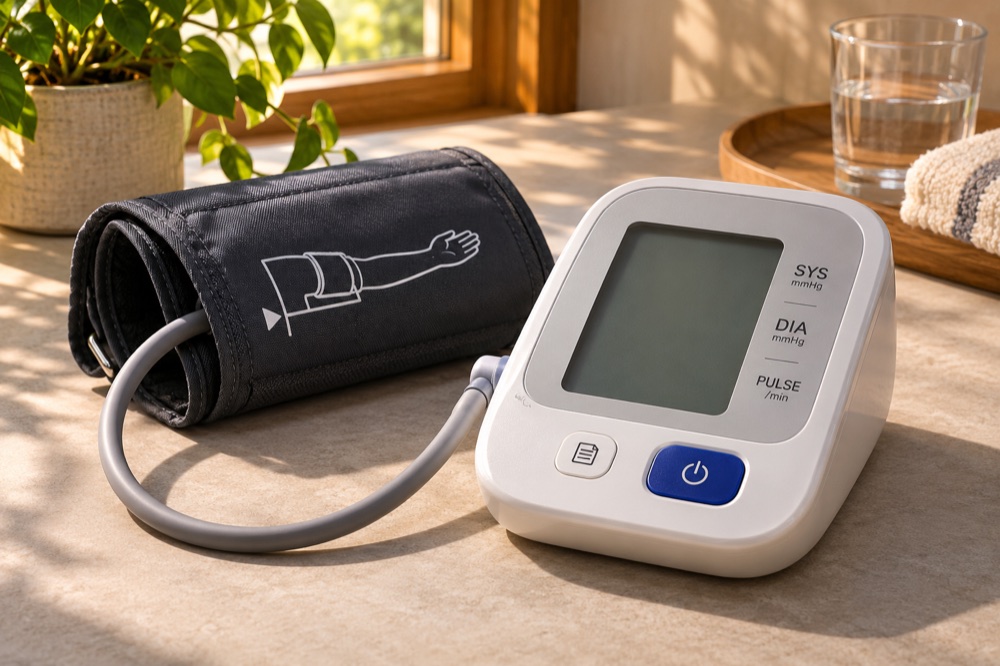
Use a validated upper-arm monitor and a cuff that fits. Rest quietly for five minutes before taking two readings one minute apart. Record the numbers for your clinician.
Discuss changes you can maintain
Ask your care team about activity, sodium, alcohol and any medication questions. Choose goals that fit your health and daily routine.
Know when to get urgent help
If a reading is higher than 180 systolic or 120 diastolic, wait at least one minute and measure again. If it is still that high and you have chest pain, shortness of breath, weakness, vision changes or difficulty speaking, call 911. Without symptoms, contact your healthcare professional promptly.
Official instructions and references · American Heart Association, Home Blood Pressure Monitoring